Česky
Česky



The modernized Českomoravská metro station with a new design is back in operation today
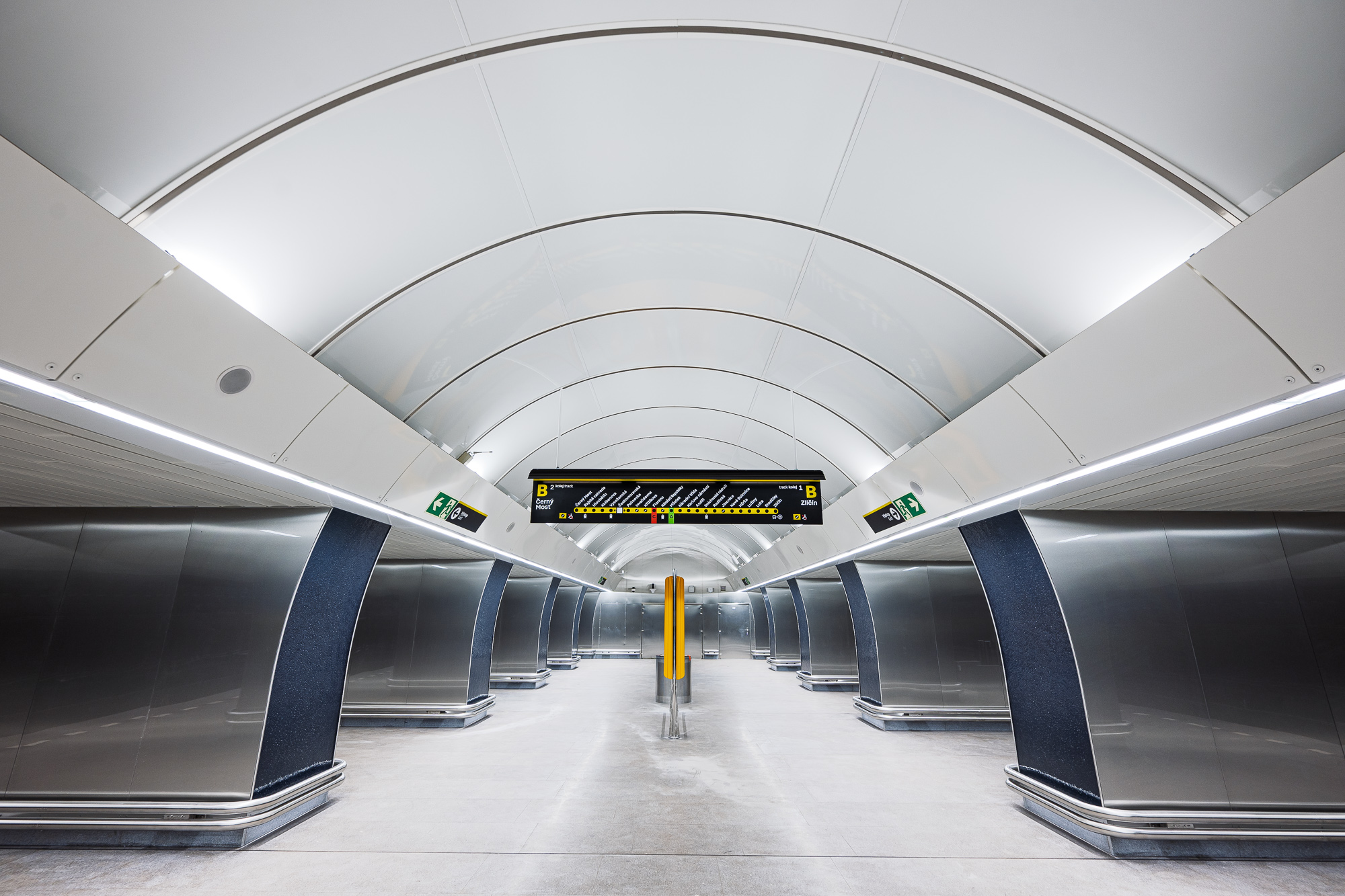
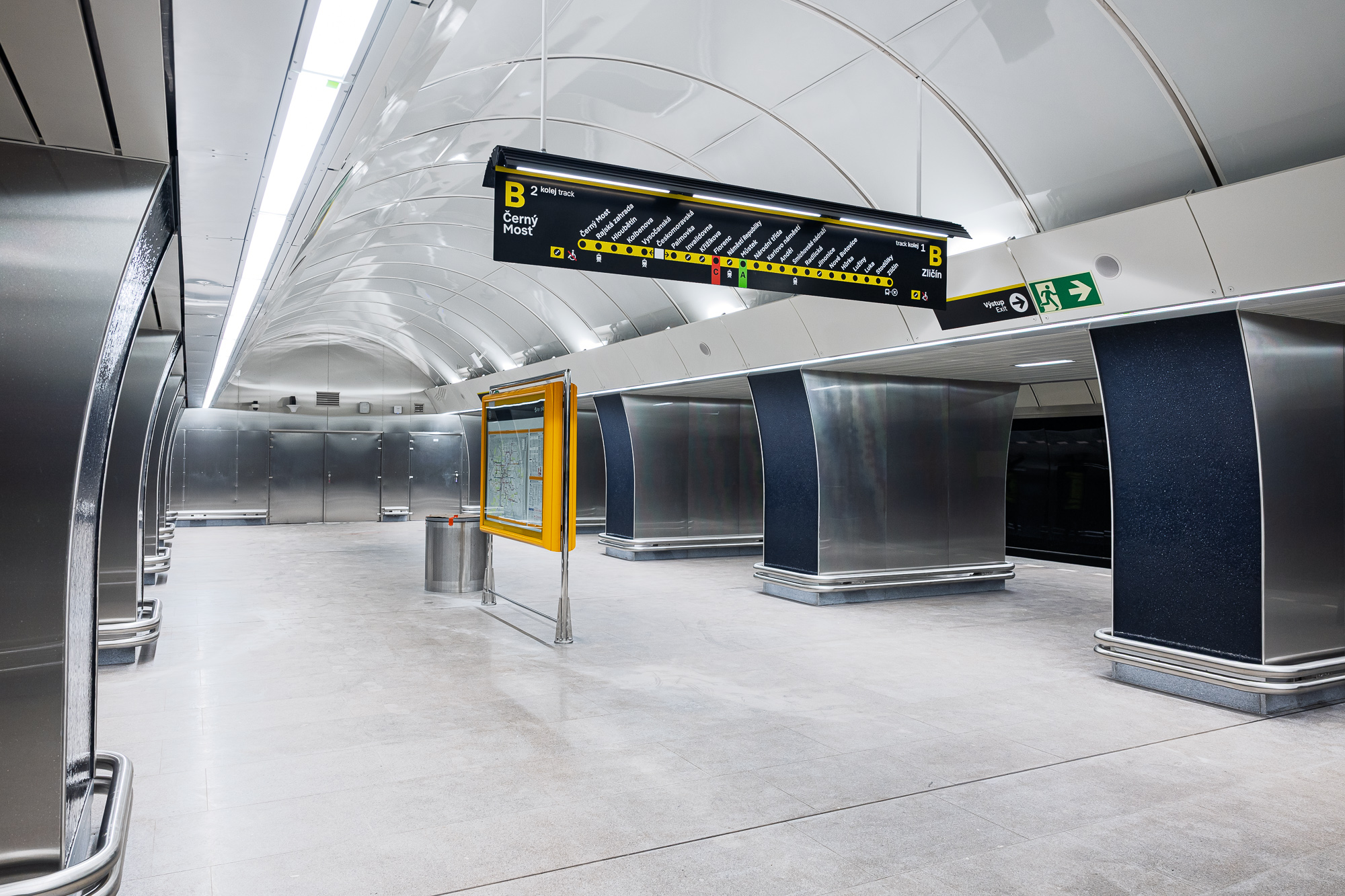
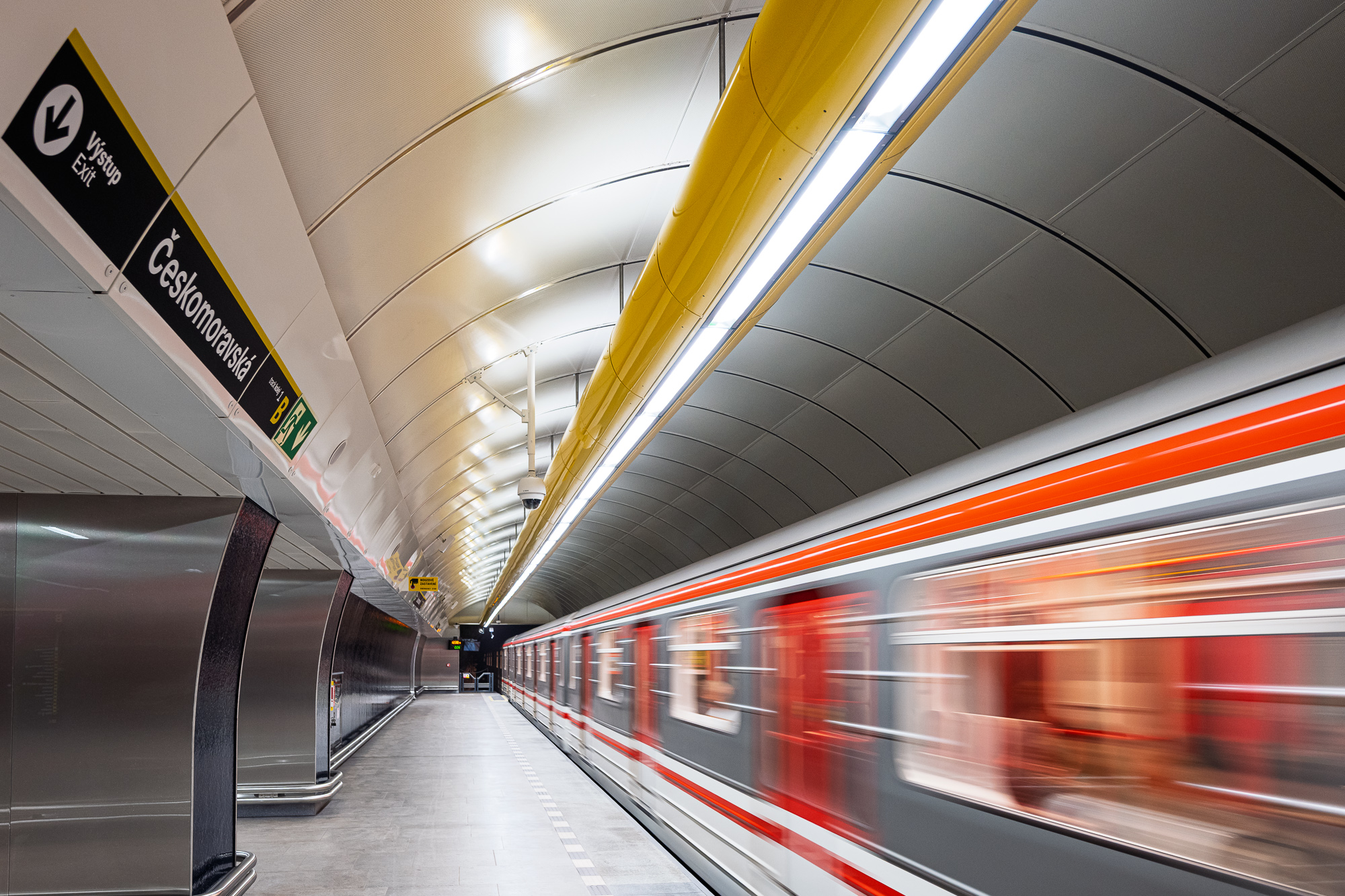
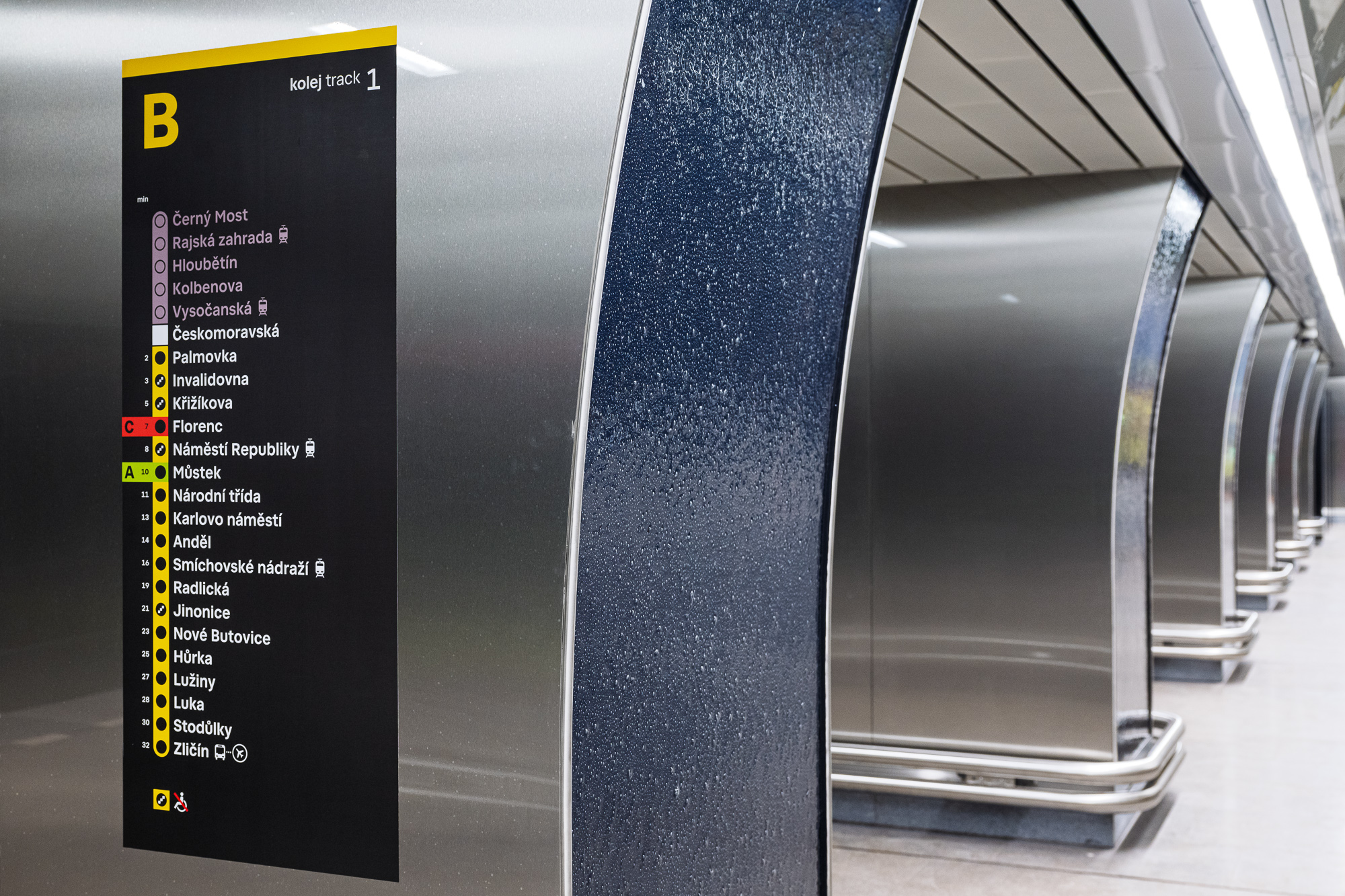
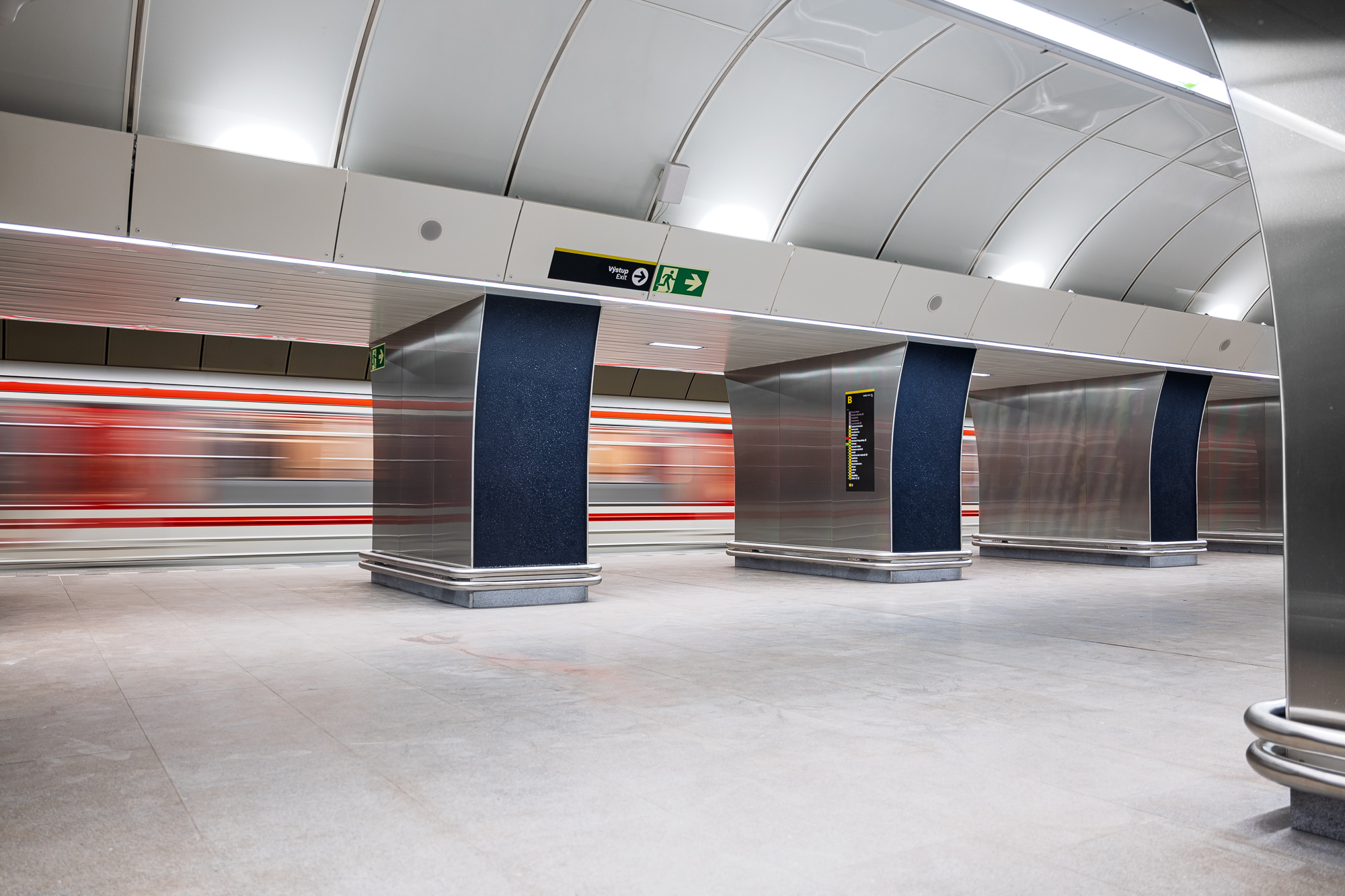
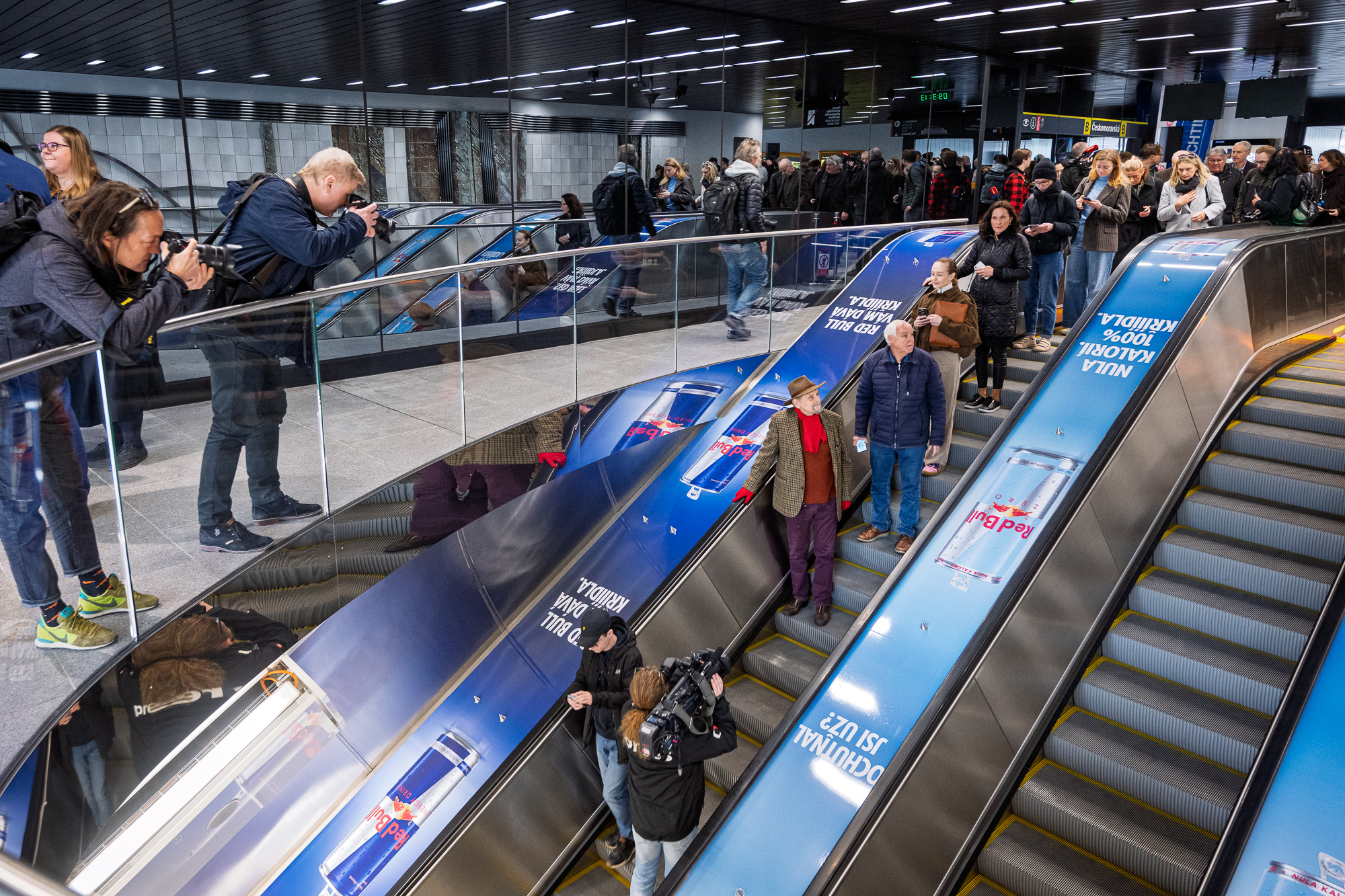
As of today at 9:39, metro trains on line B will stop again at the Českomoravská station after 439 days, which has undergone a complete modernization. As part of this investment project by the Prague Public Transport Company (DPP), the station has not only received new equipment and technology, but also a new design at all levels. This is the first example where modernization took place simultaneously in the underground and surface parts of the station, including the outer cladding. For the first time ever, the reconstruction of a Prague metro station has not only involved a material and technological replacement, but also a fundamental change in its design. Thanks to the cooperation of the DPP, the teams of architects from Qarta Architektura, edit! architects, Lasvit, the general designer METROPROJEKT Praha and the association of contractors HOCHTIEF CZ and SYNER, Prague has effectively received a completely new metro station.
As part of the complete modernization, the Českomoravská metro station was stripped down to its original skeleton. The contractors repaired leaks at all levels in both public and non-public areas, including the turning tunnel, and replaced the ceiling slab at the platform level in its central nave with an overhang to the platforms. Given the actual condition of some key structures after the station was dismantled, it was necessary to carry out extensive repairs of the supporting pillars and beams at the platform level, which support the tunnel arches themselves, in addition to the planned work, including a complete repair of the connecting corridors between the platforms. As a result, the implementation of the investment project was extended by approximately three months compared to the original schedule.
What’s new at the station?
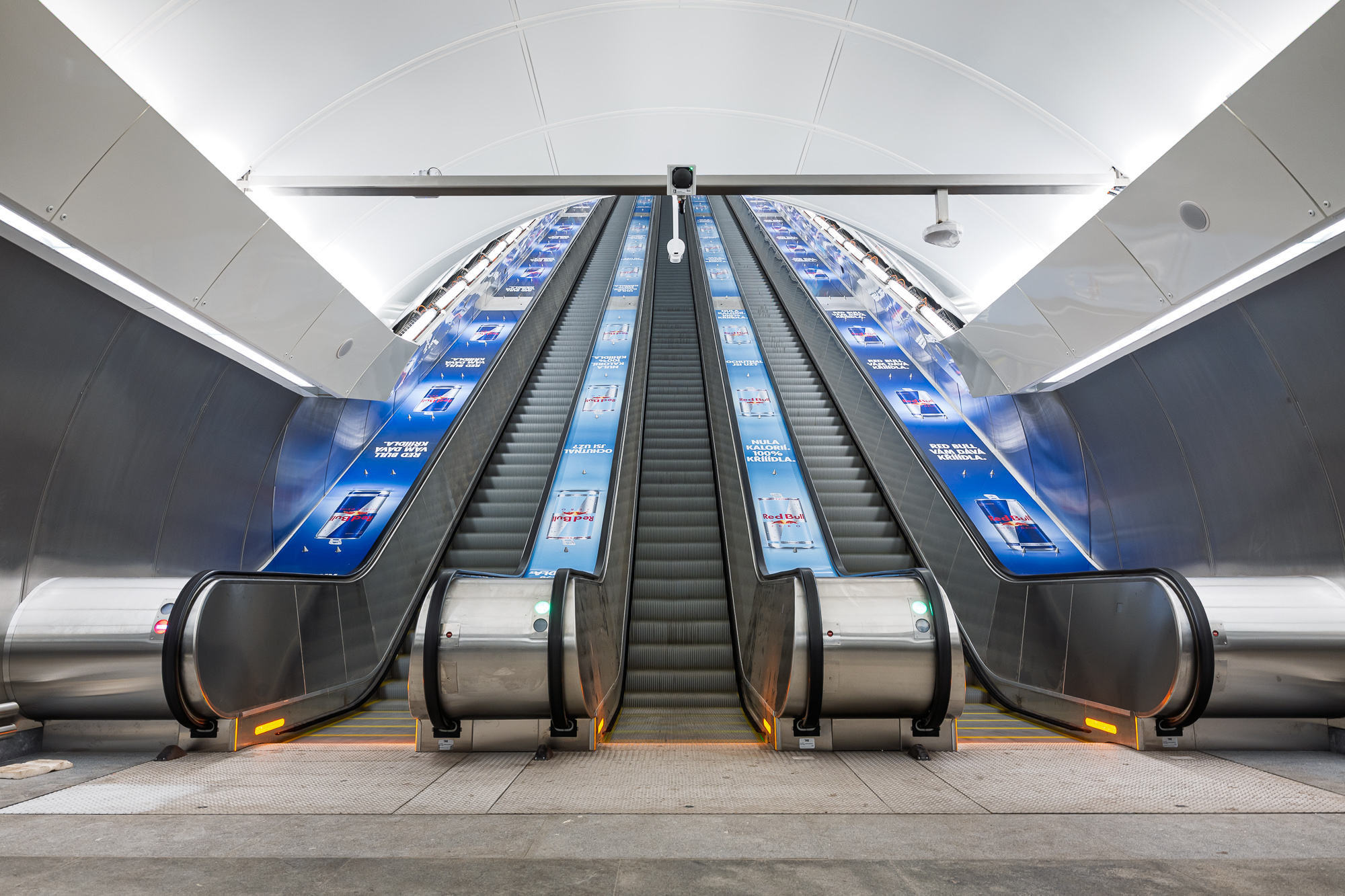
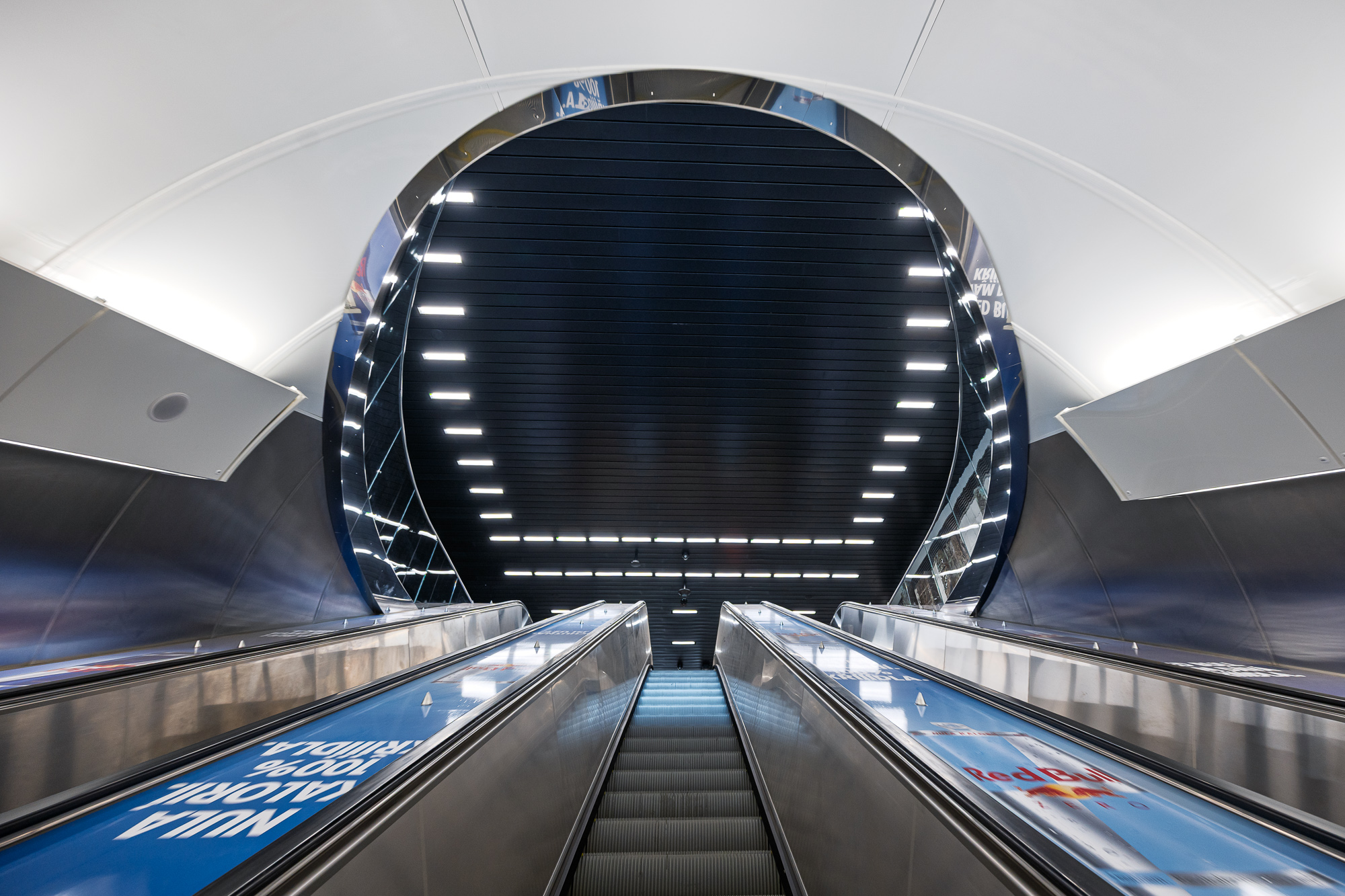
Českomoravská station received new modern, energy-efficient escalators, air conditioning, and a total of 1,600 LED lights, of which 870 are in public areas. The contractors replaced a total of approximately 120 kilometers of low and high-current cable distribution, cladding in the escalator tunnel and repaired the suspended ceilings in the vault of the central tunnel on the platform.
Unique sintered glass cladding panels
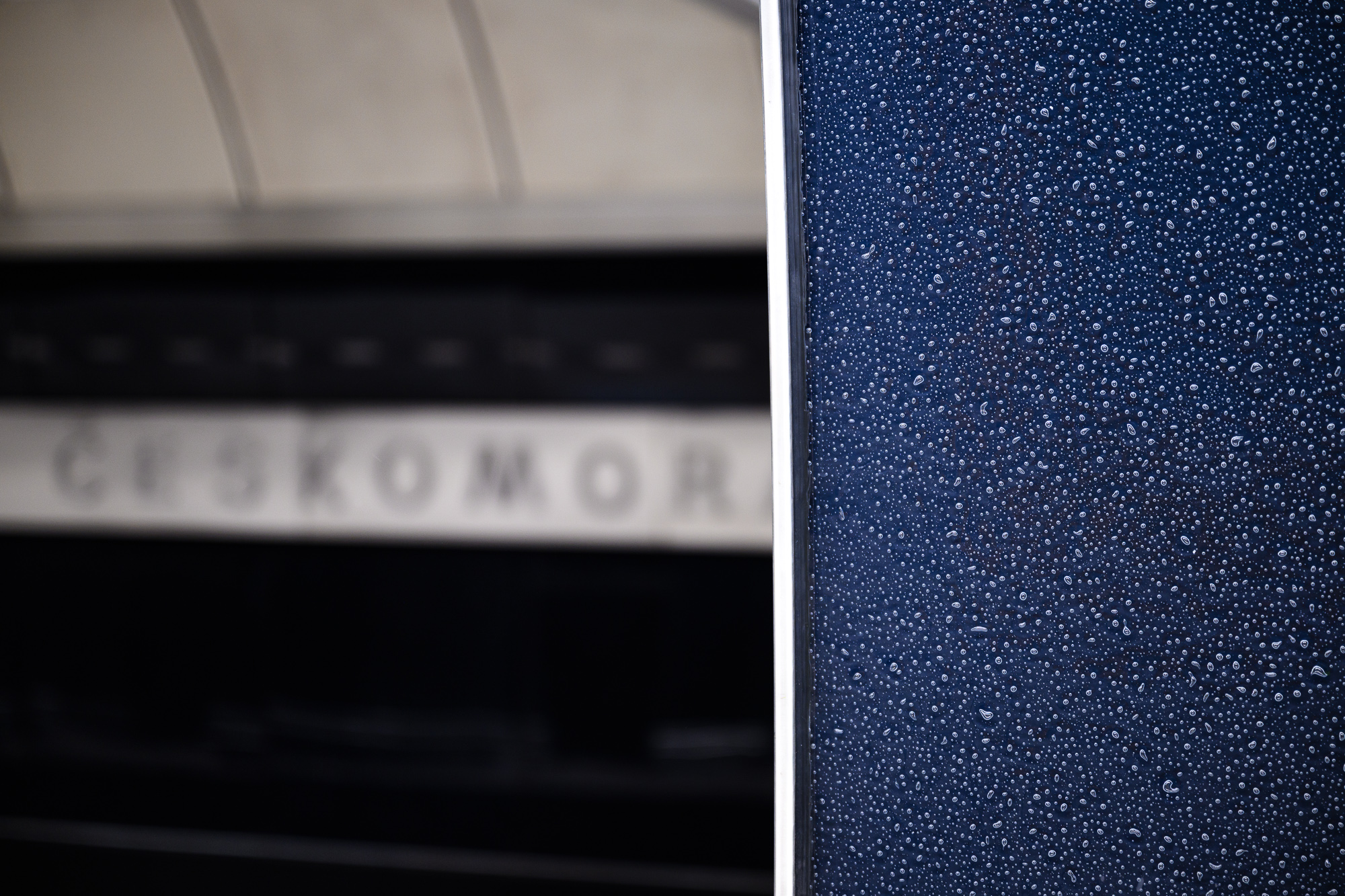
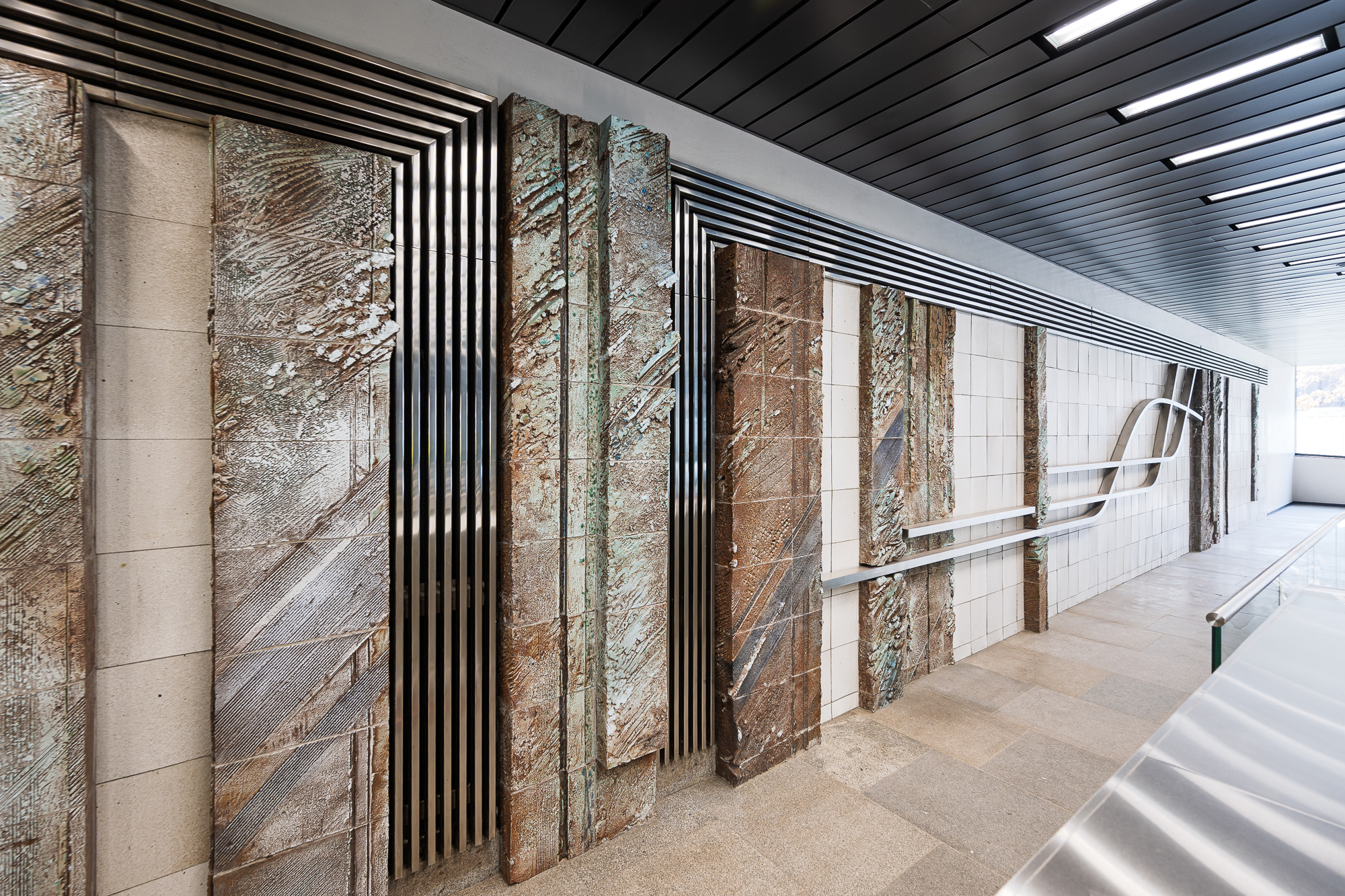
The most significant innovation is the change in the design of the platform, where the original, damaged ceramic cladding was replaced by glass panels with a special grid by Maxim Velčovský and edit! architects, who won the competition for the graphic and artistic design of the interior of the Českomoravská station announced by the DPP in autumn 2022. The wall cladding behind both tracks consists of a total of 160 pieces of one dimensional module of laminated safety glass with graphic foil, on which four types of motifs alternate. On the platform itself, on the columns and walls of the central nave, the contractors installed a total of 143 pieces of handmade, sintered safety glass tiles with a thickness of 18 millimeters. Each piece of these tiles is original thanks to a unique production technology. During production, glass crumb was spread manually between the individual layers of glass, which after sintering created air bubbles of different sizes, creating a unique pattern on each tile. The glass plates were produced at Lasvit Nový Bor in cooperation with leading Czech specialists in the glass industry.
Duplicate artwork in the vestibule
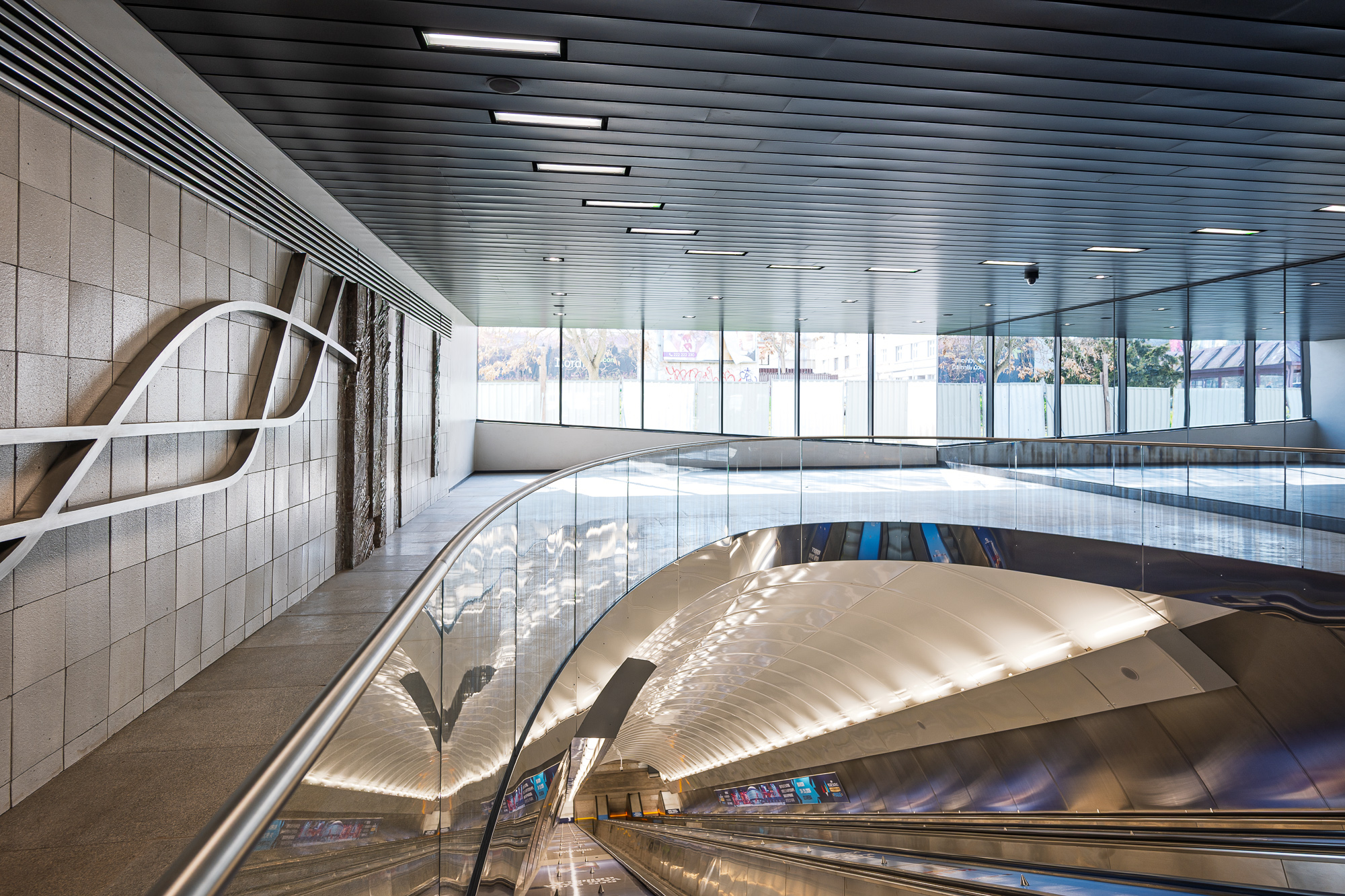
The station vestibule also received a new look compared to its original state. Before the station modernization, there was a clear view through the vestibule ceiling through the trusses to the roof structure itself. The vestibule newly received suspended ceilings with LED lighting embedded in them. Above the entrance to the escalator tunnel, the lighting is arranged in a mirrored manner according to the elliptical railing, effectively illuminating its beginning. The space behind the railing will be used for possible future exhibitions of works of art.
The inner facade in the station vestibule opposite the existing work of art is newly fitted with double-layer safety glass with a highly reflective finish. This installation achieved a duplication and mirroring of the original work of art, which was the intention of the interior architect of the vestibule, whose author is METROPROJEKT Praha.
New cladding of the outer vestibule shell
During the modernization of the station, excess and unused extensions to the vestibule were removed, especially the narrow finger extending towards Ocelářská Street and the O2 Arena. On the contrary, the vestibule was expanded
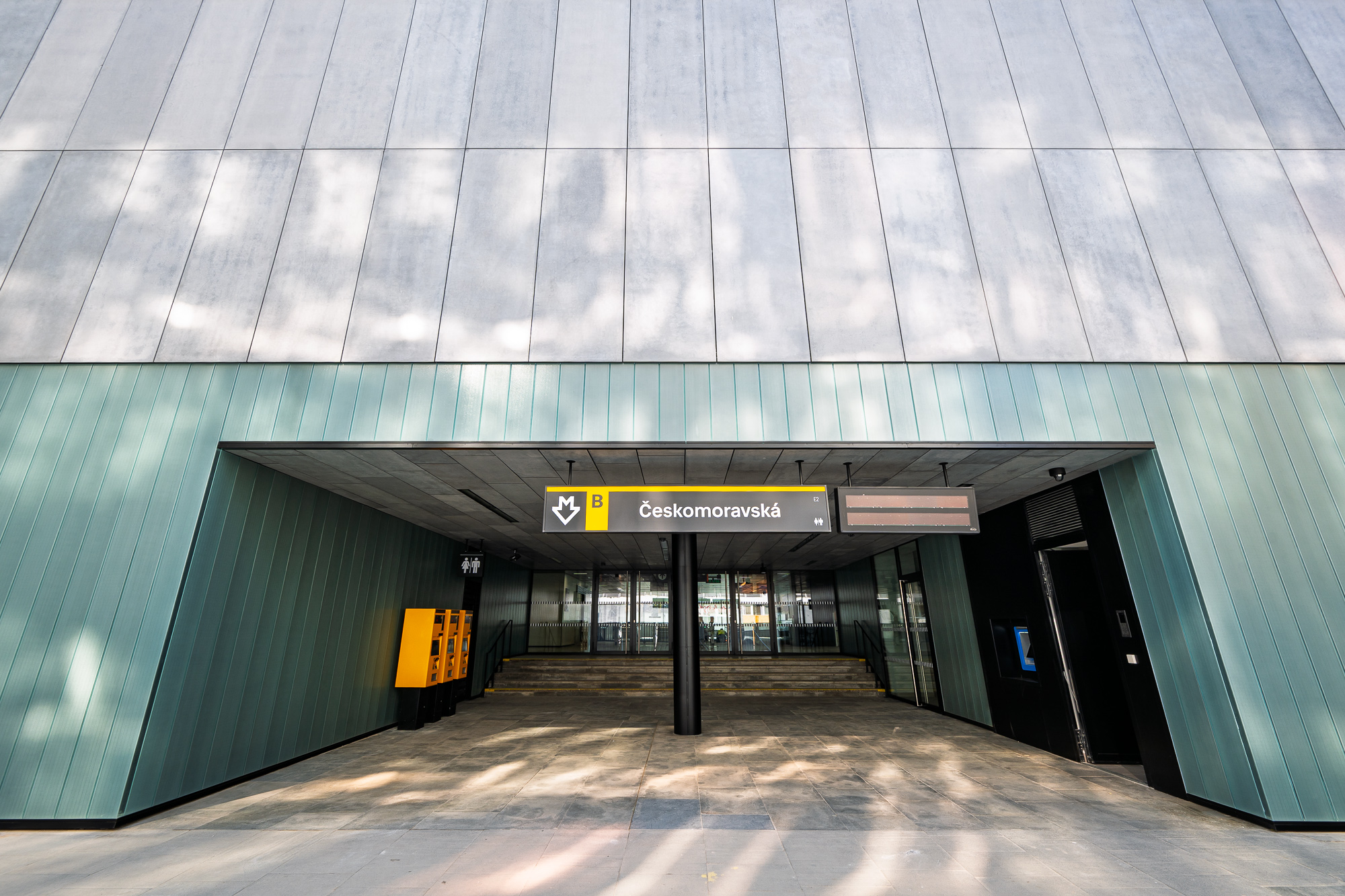
and completed in the direction of Drahobejlova Street. Thanks to this, the vestibule floor plan now forms a simple rectangle and in Drahobejlova Street it is newly aligned with the street line with other buildings. The outer cladding of the vestibule consists of glass copilit panels in the lower part, and large-format glass-fiber-concrete cladding in the upper part. The author of the design of the vestibule cladding of the Českomoravská metro station is the architectural studio Qarta Architektura. The vestibule itself will be followed up in terms of construction and design by a private development project by Kaprain, the implementation of which will continue in the annex between the tax office, the station vestibule and Ocelářská Street.
New barrier-free toilets and construction readiness for the construction of elevators
As part of the modernization of the Českomoravská metro station, a complete reconstruction of the public toilets took place, which are now barrier-free accessible from the street level from Drahobejlova Street. Access via the so-called Eurokey is a matter of course. Last but not least, the station has been prepared for future barrier-free access and the construction of an elevator. At the platform level, the lower elevator station will be located in the blind end of the middle ship, i.e. on the opposite side from the current escalators. The construction of the elevators will take place in coordination with the planned implementation of a development project in the area.
Photo: Petr Hejna (DPP)